How to Improve Garden Soil Naturally: 5 Simple Steps to Fertile Earth


If your garden soil resembles hard concrete in the summer or turns into a sticky, un-draining swamp when watered, your soil suffers from low organic carbon and absent biological activity.
Step 1: Stop Using Harsh Chemical Salts Synthetic fertilizers kill off beneficial earthworms and beneficial mycorrhizae, gradually compacting soil structure into lifeless dust.
Step 2: Re-Inoculate with Vermicompost Spread 2 inches of Vermi Raja over the bed. As earthworm castings filter down, they create tiny capillary channels that restore air pockets and water infiltration.
Step 3: Mulch the Surface Protect living soil organisms from direct baking sun by laying dry leaves, wood bark, or straw over the enriched soil.
Step 4: Practice Minimal Disturbance Avoid deep rotary tilling that tears fungal networks apart. Instead, top-dress compost and allow earthworms and watering to carry nutrients downwards.
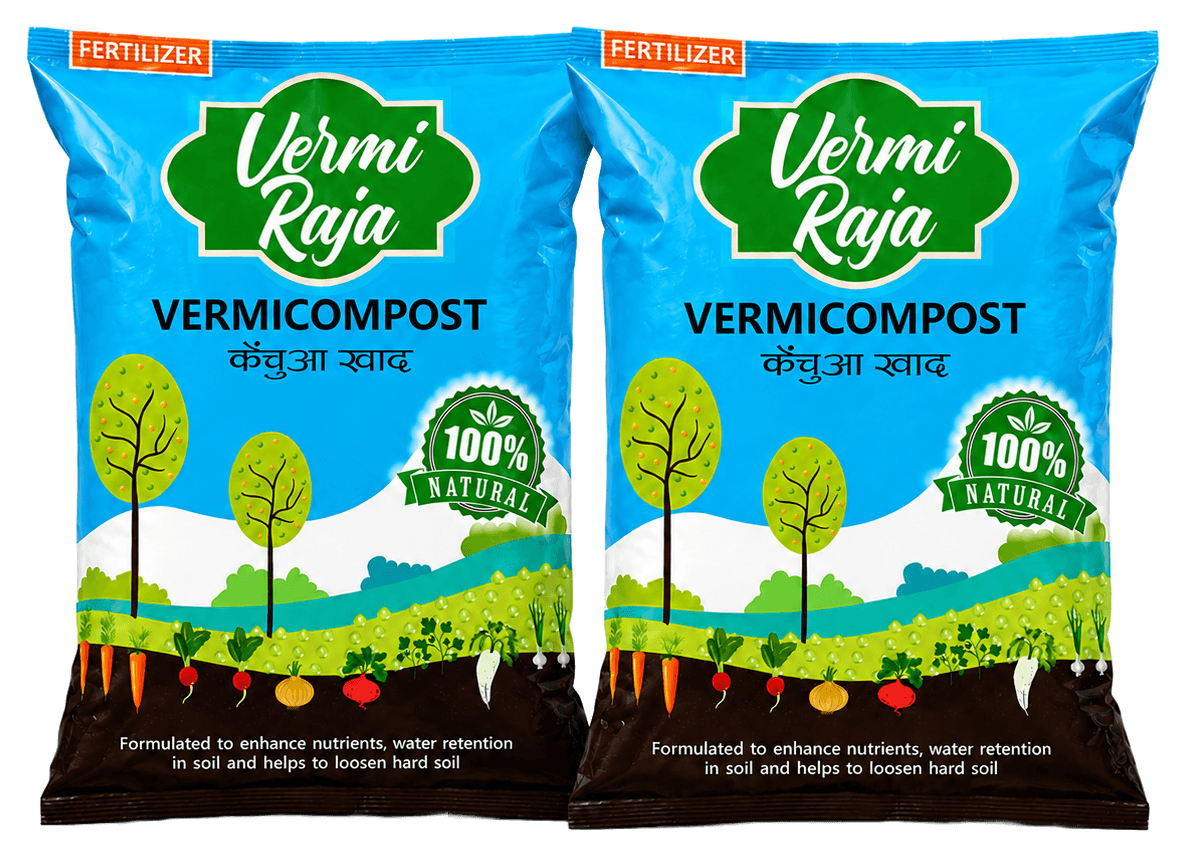
Vermi Raja Vermicompost (10 KG)
Soil reconditioning requires volume. Our 10 KG bulk pack at ₹609 provides the ideal quantity for re-vitalizing garden beds.
Related Gardening Guides
Continue learning how to care for your soil and plants organically

10 Proven Benefits of Vermicompost for Indoor and Outdoor Plants
From aerating heavy clay soils to providing vital bio-stimulants, discover why vermicompost is the ultimate sustainable booster for any garden.

Organic Fertilizer vs Vermicompost: What is the Real Difference?
Confused between cow manure (Gobar Khad), general compost, and vermicompost? Here is the scientific and practical breakdown for gardeners.
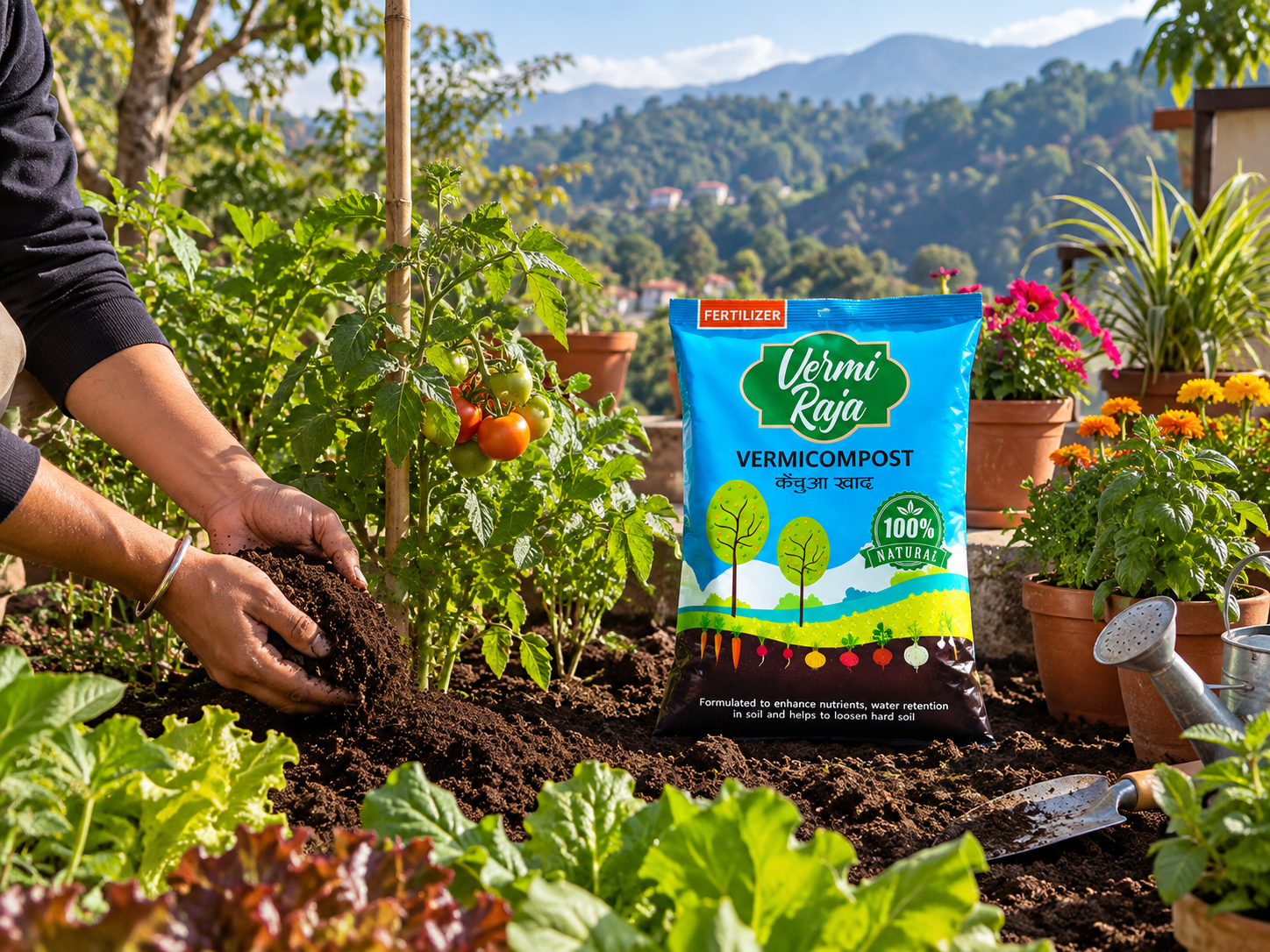
What Is Vermicompost? The Complete Guide to Black Gold for Plants
Discover how specialized earthworms transform organic matter into nutrient-dense, odourless castings packed with plant-available minerals and beneficial microbes.